
Table of Contents
- What Are Integrated Smart Home Design Services?
- The Typical Process of Engaging with Integrated Smart Home Design Services
- Benefits of Professional Home Automation Design
- Smart Home Wiring Requirements for Modern Installations
- Smart Home Climate Control Systems for Listed Buildings
- Comparing Approaches to Smart Home Integration
- What to Expect from Long-Term Support and System Reliability
- Frequently Asked Questions
Last Updated: September 19, 2026
What Are Integrated Smart Home Design Services?
Integrated smart home design is the practice of planning, installing, and configuring interconnected systems that allow homeowners to control lighting, climate, security, and entertainment from a single interface. Rather than purchasing individual smart devices and hoping they work together, integrated smart home design services coordinate multiple technologies into a seamless ecosystem where every component communicates with every other.
The difference between a cobbled-together setup and a properly integrated system is the difference between having a collection of remote controls and having genuine home automation. A fragmented approach leaves you with incompatible protocols, manual workarounds, and frustration. Professional integrated smart home design eliminates that friction by standardising on proven technologies and ensuring everything speaks the same language from day one.
At AME Electrical, we help discerning homeowners and commercial clients move beyond the limitations of consumer-grade platforms. Our expert team ensures seamless integration and intuitive control, delivering reliable, future-ready spaces that enhance comfort, security, and convenience.
Integrated smart home design creates effortless, efficient living by connecting all your home’s systems into one unified platform, rather than managing separate devices with different apps and interfaces.
The Typical Process of Engaging with Integrated Smart Home Design Services
A professional engagement follows a structured path from initial conversation to years of reliable operation. Understanding this process helps you know what to expect and how to evaluate whether a provider genuinely understands your needs.
Initial Consultation and Needs Assessment
The first step is honest conversation about what you’re trying to achieve. This isn’t about selling you the most expensive system, it’s about understanding your lifestyle, your budget constraints, and what actually matters to you.
A proper needs assessment covers your current infrastructure, your pain points with existing systems, and your vision for how you want to live in the space. Do you need security integration? Climate zones for different rooms? Professional lighting for a home cinema? Integration with existing devices you’ve already invested in? The answers determine everything that follows.
During this phase, a competent provider will ask difficult questions: What happens when the internet goes down? Do you need local control as a fallback? How much of this do you want to manage yourself versus delegate to professionals? These conversations separate providers who understand real-world reliability from those pitching aspirational marketing.
System Design and Technology Selection
Once your requirements are clear, the design phase determines the technical architecture. This is where integrated smart home design becomes genuinely complex. You’re not just picking a hub and some bulbs, you’re selecting protocols, communication standards, and integration layers that will define your system’s flexibility and longevity.
The choice between KNX, Zigbee, Z-Wave, Matter, and proprietary ecosystems is not trivial. Each has different strengths: KNX excels in commercial installations and large residential projects with complex requirements. Matter offers future-proofing through interoperability. Consumer platforms like Apple HomeKit and Amazon Alexa prioritise ease of use but limit customisation. A proper design phase weighs these trade-offs against your specific needs, not against what’s easiest to install.
AME Electrical’s certified KNX installers approach this phase methodically, designing systems that balance today’s convenience with tomorrow’s flexibility. KNX infrastructure, once installed, becomes the backbone that everything else connects to, so getting this right matters more than any individual device choice.
Installation and Integration
Installation is where design meets reality. This involves running cabling, installing control points, configuring devices, and testing every integration path. In retrofits, this can be disruptive; in new builds, it’s straightforward. Either way, it requires coordination with other trades and careful planning to avoid rework.
Professional installation includes wall-mounted keypads, wireless sensors, actuators for lighting and climate, and the central hub that orchestrates everything. The work is meticulous, every wire labelled, every device commissioned, every automation tested before handover.
Testing, Handover, and Ongoing Support
Before you take control, everything is tested: automations are triggered, failover scenarios are verified, and you’re trained on how to use the system. Handover includes documentation, access credentials, and clear explanation of how to add devices or modify automations yourself.
Then comes the part most providers gloss over: ongoing support. Systems drift. Devices fail. Firmware updates introduce quirks. Integrations need tweaking. A provider committed to long-term reliability maintains your system, troubleshoots issues, and ensures nothing decays into the expensive e-waste situation you’ve experienced before.
Many smart home installations fail because the provider disappears after handover. Your system becomes orphaned, updates break things, and you’re left managing a complex ecosystem alone. Verify that your provider commits to multi-year support before signing anything.
Benefits of Professional Home Automation Design
A properly designed integrated smart home delivers benefits that consumer-grade platforms simply cannot match.
Reliability and longevity are the first. Professional systems are designed for longevity. Components are selected for durability, and protocols are chosen for stability. You’re not building a technology hobby, you’re building infrastructure.
Customisation is the second. Consumer platforms force you into their ecosystem’s constraints. A professional system bends to your requirements: if you need specific automations, custom scenes, or integration with legacy equipment, it’s possible. You’re not limited to whatever Apple, Google, or Amazon decided to support this quarter.
Seamless integration across your entire home is the third. Lighting responds to occupancy and time of day. Climate adjusts based on room usage and weather. Security systems arm and disarm with your routines. Everything works together because it was designed to, not because you manually configured seventeen different apps.
Future-proofing matters more than most homeowners realise. Standards like Matter and KNX are designed for interoperability. When new devices arrive, they integrate without rearchitecting your entire system. Your investment today doesn’t become a stranded asset tomorrow. Long-term adaptability remains essential as lifestyle requirements evolve, necessitating a focus on architectural design considerations that accommodate changing domestic needs over the decades.
Cost efficiency emerges over time.
Smart Home Wiring Requirements for Modern Installations
The physical infrastructure determines what’s possible. Modern installations require careful planning of electrical distribution, low-voltage cabling, and communication pathways.
If you’re planning a renovation, involve your smart home designer before the electrician starts work. Running cabling and conduit during construction costs a fraction of what it costs to retrofit, and you’ll avoid the compromises that plague retrofit projects.
Smart Home Climate Control Systems for Listed Buildings
Listed buildings present unique challenges. You cannot modify external appearance, and internal changes require listed building consent. This rules out many modern smart home approaches that depend on visible wiring and modern architectural integration.
Comparing Approaches to Smart Home Integration
Different approaches suit different situations. Understanding the trade-offs helps you choose the right path for your circumstances.
Professional Integrated Design Services
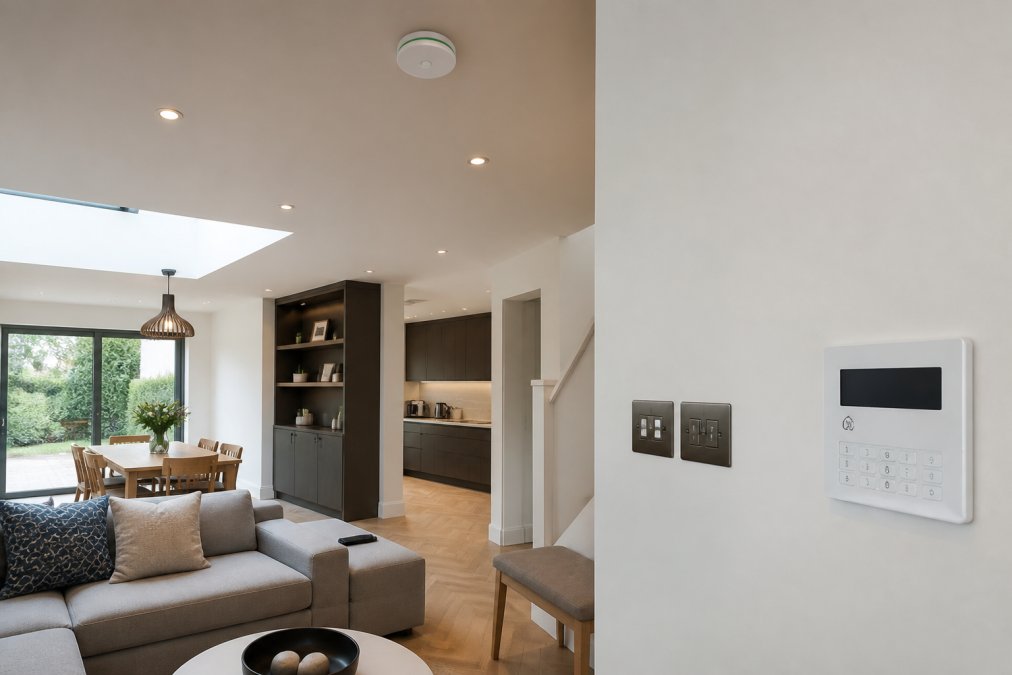
Professional services like those offered by AME Electrical deliver comprehensive system design, certified installation, and ongoing support. You get a system architected for your specific needs, built by qualified installers, and maintained by the same team that designed it.
Consumer-Grade Smart Home Platforms
Apple HomeKit, Amazon Alexa, and Google Home offer simplicity and affordability. You buy a hub, add compatible devices, and control everything from your phone. Setup is straightforward, and the ecosystems are mature.
Hybrid Approaches and Retrofitting Existing Systems
Many homeowners have invested in consumer devices, Philips Hue lights, basic automations, voice control. Starting over means losing that investment. A hybrid approach integrates existing devices into a stronger backbone while allowing you to upgrade gradually.
What to Expect from Long-Term Support and System Reliability
This is where the real value of professional integration emerges. A system is only as reliable as its weakest component and its ongoing maintenance.
Frequently Asked Questions
What are integrated smart home design services?
Integrated smart home design services combine consultation, system design, installation, and ongoing support to create unified smart home environments. Rather than piecing together separate devices, professional design services ensure all systems, lighting, climate control, security, and entertainment, work together seamlessly. This approach simplifies control, improves reliability, and provides expert guidance tailored to your home’s specific needs and layout.
What smart home wiring requirements should I plan for during renovation or new build?
Smart home wiring requirements depend on your chosen systems and future expansion plans. Professional design services assess your electrical infrastructure, data cabling, and wireless coverage needs. Key considerations include dedicated circuits for smart devices, structured cabling for reliability, network infrastructure for connectivity, and compliance with Building Regulations. A professional consultation identifies what your property needs before work begins, preventing costly rewiring later.
How do professional smart home systems avoid becoming obsolete or failing like previous installations?
Professional integrated design services use modular, standards-based systems (such as KNX or Matter-compatible platforms) designed for longevity and upgradability. They include ongoing support and maintenance to keep systems functioning reliably. Unlike consumer-grade systems left unsupported after installation, professional services provide monitoring, updates, and component replacement when needed. This relationship-driven approach ensures your investment remains functional and current.
Can professional design services integrate existing smart devices like Philips Hue or basic automation I already have?
Yes, professional services can often integrate existing devices into a unified system, though this depends on the devices’ compatibility and your target platform. Rather than complete replacement, designers assess what can be retained and what needs upgrading for seamless integration. Some devices integrate directly; others may require additional hardware or gateways. A consultation evaluates your current setup and recommends the most practical path forward.
What are the benefits of professional home automation design compared to DIY installation?
Professional design ensures systems are properly sized, integrated, and compliant with regulations, critical for safety and reliability. Professionals handle complex wiring, network configuration, and system optimisation that DIY installers often overlook. They provide warranties, ongoing support, and future-proofing advice. For luxury properties, commercial spaces, or complex requirements, professional design delivers seamless control, enhanced security, and systems that last.
Do integrated smart home design services work with smaller properties or boutique businesses, or only large projects?
Professional integrated design services scale across property sizes and business types. Boutique hotels, small commercial spaces, and residential properties all benefit from tailored design. The approach adapts to your specific needs and budget constraints rather than imposing a one-size-fits-all solution. Whether you’re upgrading a single room or an entire property, professional services focus on delivering value and reliability appropriate to your scale.