
Table of Contents
- What Professional Smart Security Actually Delivers
- DIY vs Professionally Installed Security Systems
- The Role of Professional Security Monitoring
- Home Security Without Cloud Dependency
- Smart Security System Integration Across Your Home
- Reliability, Support, and Long-Term Value
- Is Professional Smart Security Right for You?
- Frequently Asked Questions
Last Updated: October 11, 2026
What Professional Smart Security Actually Delivers
Professional smart security combines integrated alarm systems, access control, monitoring services, and connected devices into a unified platform managed by certified installers. When properly designed and installed, these systems provide real-time threat detection, remote access, and professional response capabilities that DIY setups struggle to match.
The value proposition centres on three core elements: reliability, integration, and support. A professional system doesn’t just detect a break-in, it communicates with monitoring centres, coordinates with your lighting and locks, and maintains functionality even when internet connectivity drops. This is fundamentally different from installing smart cameras and hoping they work together.
Homeowners often underestimate the complexity of making disparate devices actually behave as a system. A camera here, a smart lock there, a motion sensor from another brand, these rarely integrate seamlessly. Professional smart security solves this by designing the entire ecosystem around a central platform from the outset, ensuring every component communicates reliably.
The real question isn’t whether professional smart security works. It’s whether the added reliability, integration, and ongoing support justify the investment compared to piecemeal alternatives.
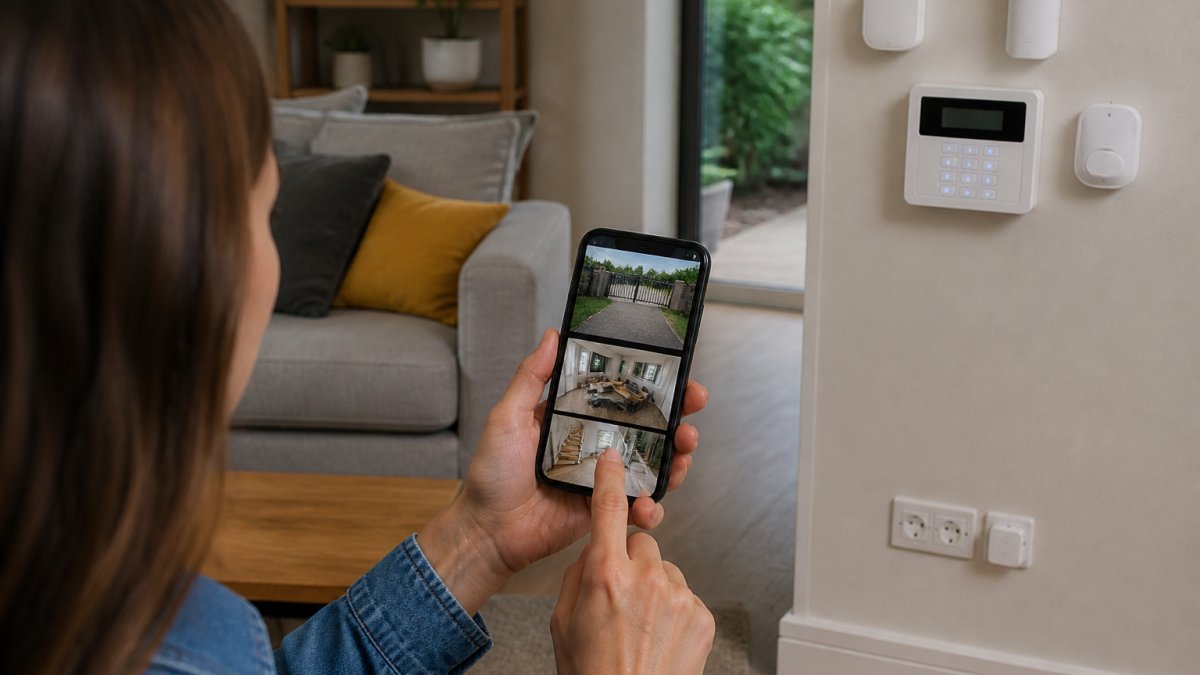
Professional smart security delivers integration, reliability, and professional monitoring that DIY systems cannot replicate. The value lies in seamless operation across multiple devices and access to professional response when an alarm triggers.
DIY vs Professionally Installed Security Systems
The difference between DIY and professional installation extends far beyond who wires the components. DIY systems offer lower upfront costs and flexibility to add devices gradually. Professionally installed systems provide design expertise, certified installation, and ongoing support, but require larger initial investment.
DIY approaches work well for straightforward use cases: a homeowner adding a few smart cameras, upgrading locks, or installing basic motion sensors. These systems are often cloud-dependent, which means they’re vulnerable to internet outages and rely on third-party services for functionality. When a Wi-Fi connection drops, so does access to your system.
Professional installations, by contrast, are designed with redundancy. A properly specified professional system functions locally, your security doesn’t evaporate when your broadband goes down. Certified installers like those at AME Electrical design systems around proven protocols like KNX, which offer local control, reliability, and future scalability.
The trade-off is straightforward: DIY requires more ongoing management from you (troubleshooting connectivity issues, ensuring firmware updates, replacing batteries). Professional systems shift that burden to certified technicians who maintain the infrastructure and respond when alerts occur.
Consider your tolerance for technical management. If you enjoy tinkering and don’t mind occasional downtime, DIY can work. If you want security that simply works and stays working, professional installation reduces your responsibility significantly.
DIY systems often fail silently. A camera offline, a sensor with dead batteries, or a cloud service outage, you may not notice until you actually need the system.
The Role of Professional Security Monitoring
Professional monitoring transforms a security system from a deterrent into an active defence. When an alarm triggers, a monitoring centre receives the alert, verifies the incident, and can dispatch emergency services immediately, without waiting for you to notice something’s wrong.
The monitoring service operates 24/7, which means your home is protected whether you’re asleep, at work, or abroad. This is particularly valuable for properties in areas with slower emergency response times or for homeowners who travel frequently.
Monitoring also provides accountability. When a break-in occurs, the monitoring centre has timestamped records of what triggered the alarm, when it occurred, and what actions were taken. This documentation is invaluable for insurance claims and for understanding exactly what happened.
The cost of professional monitoring is modest compared to the value of having someone verify threats and summon help on your behalf.
However, monitoring is only effective if your system reliably communicates with the monitoring centre. This is where professional installation matters, a poorly configured system might fail to alert the monitoring service when you need it most. Professional installers ensure the communication pathway is redundant, tested, and reliable.
Home Security Without Cloud Dependency
Many modern smart home devices rely entirely on cloud connectivity. Your camera streams to a server somewhere, your lock unlocks via an app connected to the internet, and your alarm requires a live connection to function. This creates a single point of failure: if your internet goes down, so does your security.
Professional smart security systems can be designed to operate locally, with cloud connectivity as an optional enhancement rather than a requirement. A KNX-based system, for example, maintains full functionality even when internet is unavailable. Your locks still unlock, your alarms still sound, and your system still responds to triggers, all without needing a connection to external servers.
This local-first approach has several advantages. Your system is faster (no cloud latency), more private (data doesn’t leave your property), and more reliable (no dependency on third-party services). It also means your security isn’t vulnerable to cloud service outages or changes in a provider’s terms of service.
When cloud connectivity is added as an optional layer, for remote access or integration with other systems, it enhances convenience without compromising core functionality. This is the approach professional installers typically recommend for homes where reliability is paramount.
The trade-off is that local-first systems require more careful initial design. You can’t simply add devices and expect them to work. But once properly configured, they’re significantly more robust than cloud-dependent alternatives.
If your property has unreliable internet or you’re concerned about privacy, specify a system that operates locally with optional cloud features. This gives you security that works regardless of external dependencies.
Smart Security System Integration Across Your Home
A true smart security system doesn’t operate in isolation, it coordinates with lighting, climate control, access points, and other building systems to create a comprehensive response to threats.
When an alarm triggers, professional systems can automatically unlock emergency exits, activate all lights to deter intruders, and unlock doors for emergency services. When you arrive home, the system recognises your credentials and disarms selectively, security sensors stand down, but perimeter monitoring remains active. These coordinated responses are far more effective than isolated devices reacting independently.
Integration also extends to daily convenience. Your morning routine might automatically disarm the security system, adjust lighting, and set climate to your preference. Your evening routine does the reverse. These aren’t separate automations, they’re part of a unified system designed to work together.
The complexity of integration is precisely why professional design matters. A certified installer specifies which devices communicate with which systems, defines the logic that triggers coordinated responses, and tests the entire workflow before handing over control to you.
AME Electrical’s approach to integration centres on designing systems that feel effortless to use despite their underlying complexity. The technology should disappear into the background, your security simply works, your home responds to your presence, and everything coordinates seamlessly.
Reliability, Support, and Long-Term Value
Professional smart security systems depreciate more slowly than DIY alternatives because they’re built on proven protocols and maintained by certified technicians. A system installed today should remain functional and upgradable for 10+ years with proper maintenance.
This longevity comes from several factors. Professional systems use standardised protocols (like KNX) that have been refined over decades. They’re designed for local operation, so they’re not dependent on any single company’s cloud service continuing to exist. And they’re maintained by professionals who ensure firmware is current, components are functioning, and the system evolves as your needs change.
DIY systems, by contrast, often become obsolete when the manufacturer discontinues support, the cloud service changes its terms, or components fail and replacements are no longer available. You end up with expensive e-waste rather than a functioning security system.
Support matters enormously here. When something fails in a professional system, you contact your installer and they respond. When something fails in a DIY system, you’re troubleshooting alone, checking Wi-Fi connectivity, researching compatibility issues, potentially replacing components yourself.
The long-term value of professional smart security is measured not just in upfront cost, but in years of reliable operation, minimal maintenance burden, and the peace of mind that comes from knowing your security is professionally managed.
Professional systems hold their value because they’re built on proven standards, maintained by certified technicians, and designed to evolve with your needs. DIY systems often become obsolete, making the total cost of ownership significantly higher than it initially appears.
Is Professional Smart Security Right for You?
Professional smart security makes sense if any of these apply to you: you want monitoring services, you’re integrating security with other building systems, your property has unreliable internet, you travel frequently, you value local control over cloud dependency, or you simply prefer having professionals manage the technical complexity.
It may not be necessary if you’re securing a small property with straightforward requirements, you’re comfortable managing technology yourself, and you don’t need professional monitoring or integration with other systems.
The decision ultimately rests on your priorities. If security is a critical concern and you want it to simply work without requiring ongoing technical management from you, professional installation delivers clear value. If you’re comfortable with technology and willing to troubleshoot issues yourself, a carefully chosen DIY approach can work.
What matters most is making an intentional choice rather than defaulting to whichever option seems cheaper upfront. A cheap system that fails when you need it is far more expensive than a professional system that reliably protects your property for years.
Frequently Asked Questions
Is professionally installed security better than DIY?
Professional installation ensures systems are designed to your property’s specific layout, integrated properly, and configured for reliability. DIY systems cost less upfront but often lack seamless integration with other smart devices, may have compatibility issues, and require you to handle troubleshooting. Professional installers also provide ongoing support, meaning if something fails, you have expert help rather than relying on online forums. For homes where security is critical, professional systems typically deliver better long-term performance.
What makes professional security monitoring worth the investment?
Professional monitoring provides a response layer when your alarm triggers. Instead of relying solely on notifications to your phone, a monitoring centre can verify the alert and contact emergency services immediately. This matters most if you’re away from home frequently or want the reassurance that someone is actively watching. The cost depends on your plan, but the value lies in response time and professional verification rather than in the monitoring technology itself.
Can smart security work without cloud services?
Yes. Professional systems can be designed to operate locally, storing data and processing commands within your home network rather than relying on cloud servers. This approach removes concerns about data privacy, internet outages, and third-party access. Local systems are more reliable during connectivity issues and give you complete control over your data. However, they may limit remote access features unless you build in a secure local network connection. Many professional installers can design hybrid approaches that balance local security with selective cloud features.
How do I know a professional smart security system won’t become outdated or fail like previous installations?
The difference lies in design, integration, and support. Professional systems built on open standards (like KNX) are designed for longevity and can be updated or expanded without replacing the entire infrastructure. Certified installers ensure proper commissioning and configuration, reducing failures caused by poor setup. Ongoing support from your installer means issues are addressed quickly rather than leaving you with non-functional equipment. Ask potential installers about their support model, system standards, and how they handle updates before committing.
Professional smart security is worth the investment when reliability, integration, and professional support matter more to you than minimising upfront costs. At AME Electrical, we design systems that operate seamlessly across your home, maintain functionality regardless of internet connectivity, and evolve as your needs change. If you’re considering upgrading your security, get a quote from our team to understand how integrated smart security can protect your property without complexity.