
Table of Contents
- Why Integrated Electrical Systems Matter to Property Value
- Electrical Upgrades That Increase Property Value
- Smart Home Systems and Property Value: What Buyers Expect
- Smart Lighting and Heating Controls: Creating Measurable Appeal
- Future-Proofing a Home’s Electrical System for Long-Term Value
- The Role of Professional Integration in Maximising Returns
- Conclusion
- Frequently Asked Questions
Last Updated: 20 October 2026
Why Integrated Electrical Systems Matter to Property Value
Integrated electrical systems represent a fundamental shift in how modern homes operate and enhance integrated electrical systems property value. Rather than isolated circuits and switches, these systems unite lighting, heating, security, and entertainment into one cohesive network that responds to your needs automatically.
Integrated electrical systems improve property value across residential and commercial properties. Buyers today expect more than basic wiring. They want homes that work intelligently, adapt to their routines, and operate efficiently. A property with integrated electrical systems stands apart in the market because it delivers tangible benefits from day one.
The appeal runs deeper than novelty. Integrated electrical systems reduce energy waste, enhance security, and simplify daily life. These aren’t luxury extras anymore, they’re features that serious buyers actively seek. Properties lacking them often feel outdated, even if the basic infrastructure is sound.
Integrated electrical systems improve property value by combining efficiency, security, and convenience into a single network that modern buyers expect and will pay more to own.
Electrical Upgrades That Increase Property Value
Not every electrical upgrade moves the needle on property value equally. The most effective upgrades address three core buyer concerns: safety, efficiency, and control.
Modern consumer units and safety upgrades form the foundation. Outdated fuse boxes signal poor maintenance and potential hazards. Replacing them with modern circuit breakers and RCD protection demonstrates responsible ownership. Buyers feel confident purchasing a property where electrics have been properly maintained.
EV charging infrastructure has become a genuine value driver. As electric vehicles become standard, homes without charging capability face a disadvantage. Installing a dedicated charging point, or the infrastructure to support one, appeals to forward-thinking buyers and adds perceived future-proofing to your property.
Lighting upgrades beyond basic switches create measurable appeal. LED systems with dimming capability and zoning allow buyers to envision how they’ll use each space. This isn’t just about brightness; it’s about control and ambiance.
Dedicated circuits for high-demand areas signal a well-planned electrical system. Kitchens, bathrooms, and home offices need reliable power. Properties with properly distributed electrical capacity feel more reliable and capable.
The common thread: buyers want to see that electrics have been thoughtfully upgraded, not patched together over decades.
When upgrading electrics, prioritise visible improvements first, better lighting, cleaner installations, modern safety features. These create immediate positive impressions during viewings.
Smart Home Systems and Property Value: What Buyers Expect
Smart home integration has moved from “nice to have” to “expected” in properties above a certain value point. Buyers touring premium homes now assume integrated electrical systems will be present. The absence of them feels like a missed opportunity.
What do buyers actually want from smart home systems? Control, reliability, and simplicity. They want to adjust temperature, lighting, and security from a single interface, whether that’s a wall panel, mobile app, or voice command. They want systems that work consistently without requiring technical expertise.
Heating and climate control top the list of priorities. A home that learns your preferences and adjusts temperature automatically appeals to buyers concerned about comfort and energy bills. This isn’t a futuristic fantasy, it’s expected functionality in modern homes.
Security integration matters enormously. Smart locks, integrated CCTV, and alarm systems that work as one cohesive network provide peace of mind. Buyers see these systems as proof that the property takes security seriously.
Lighting automation influences how buyers experience a property during viewings. Homes where lighting adjusts automatically or can be controlled via app feel more sophisticated and well-maintained. It’s a subtle but powerful signal.
The key insight: integrated electrical systems don’t need to be flashy or complex to boost integrated electrical systems property value. They need to work reliably and make daily life easier. Buyers who experience a well-integrated system during a viewing often decide to proceed with an offer based on that experience alone.
Poorly integrated or abandoned smart home systems create the opposite effect. If systems are installed but don’t work reliably, buyers assume ongoing maintenance headaches and may devalue the property accordingly.
Smart Lighting and Heating Controls: Creating Measurable Appeal
Lighting and heating represent the most visible elements of integrated electrical systems. They’re also the upgrades that buyers interact with during viewings, making them disproportionately important to perceived value.
Smart lighting creates emotional responses. When a viewer walks into a room and the lighting automatically adjusts to a welcoming level, they feel the difference immediately. Dimming capabilities allow spaces to feel intimate or energetic depending on the time of day. Colour temperature control, shifting light from cool to warm, influences mood and comfort perception.
Zoned lighting is particularly effective. Different areas of an open-plan space can be lit independently, allowing buyers to imagine how they’d use each zone. A kitchen can be bright and functional whilst a dining area glows warmly. This flexibility is something buyers will pay for because it directly improves their quality of life.
Heating control through integrated systems demonstrates efficiency and comfort. Programmable thermostats that learn routines and adjust automatically appeal to buyers concerned about energy bills. Room-by-room temperature control, where different zones can be heated to different levels, feels luxurious and practical simultaneously.
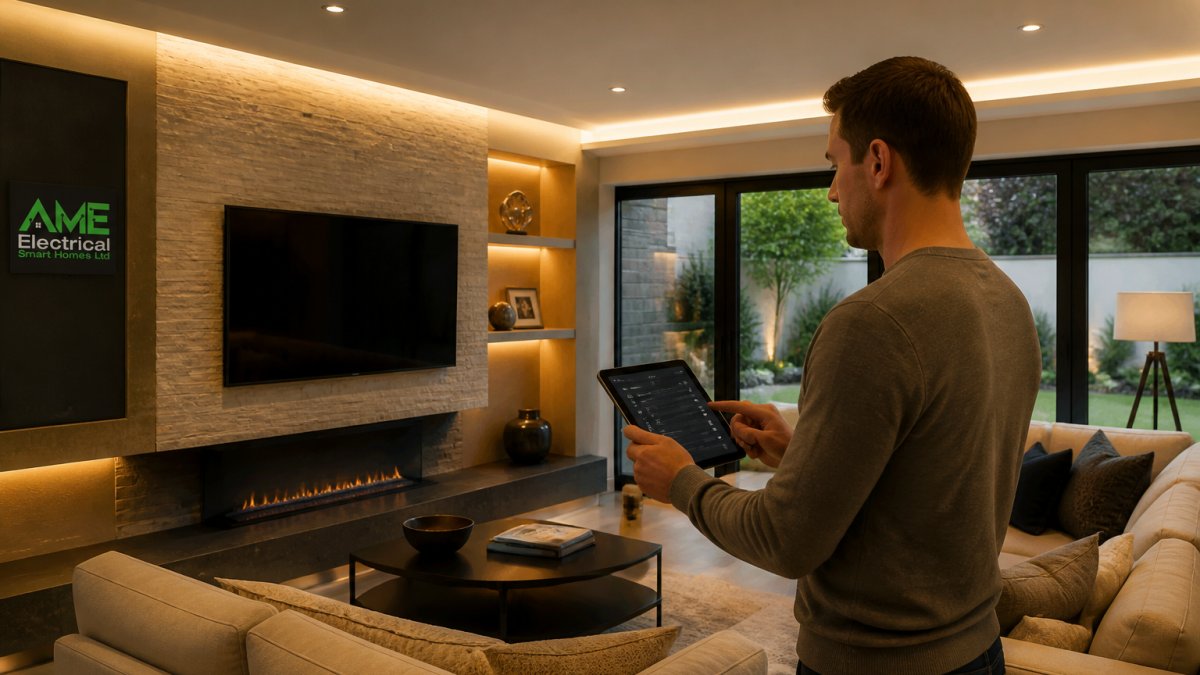
The combination of smart lighting and heating creates a narrative: this is a home that adapts to you, not the other way around. That narrative is worth real money at resale.
Future-Proofing a Home’s Electrical System for Long-Term Value
Buyers increasingly think about whether a property will remain relevant in five or ten years. An electrical system that’s future-proofed feels like a sound investment rather than something that will need expensive updates soon.
Capacity for expansion matters. A modern electrical infrastructure should accommodate new technologies without requiring rewiring. This means adequate circuit capacity, proper earthing, and systems designed to integrate new devices as they emerge.
Standards-based installation ensures compatibility. Systems built to recognised standards, rather than proprietary or outdated approaches, remain valuable longer. When a buyer knows their home uses industry-standard protocols, they feel confident that future upgrades will be straightforward.
Scalability appeals to buyers who plan to stay long-term. A system that can grow from basic automation to comprehensive integration without replacement feels smarter than one locked into a single capability level.
Maintenance documentation adds perceived value. Buyers appreciate knowing exactly what’s installed, how it works, and what maintenance it requires. Clear records signal that the property has been professionally managed.
The practical reality: homes with well-designed, future-proofed electrical systems age more gracefully. They remain competitive in the market because they’re not fighting against obsolescence.
When documenting your integrated electrical systems, create a simple guide showing what’s installed, how to access controls, and contact details for ongoing support. This document will influence buyer confidence and perceived value.
The Role of Professional Integration in Maximising Returns
DIY electrical work and piecemeal installations often backfire. Buyers recognise the difference between professional integration and amateur attempts immediately. This difference directly affects property value.
Professional design matters because it ensures systems work together seamlessly. An electrician who understands how lighting, heating, security, and entertainment should interact creates an experience that feels intuitive. Buyers don’t have to learn complex workarounds or deal with systems that conflict with each other.
Certification and compliance provide reassurance. When integrated electrical systems have been installed by certified professionals and comply with current regulations, buyers feel confident about safety and longevity. They won’t face unexpected remedial work after purchase.
Ongoing support is a genuine value driver. Buyers appreciate knowing that if something doesn’t work as expected, there’s a professional relationship in place to resolve it. This transforms integrated electrical systems from a risk into an asset.
Warranty and documentation matter more than many property owners realise. Professional installers typically provide comprehensive documentation, warranties, and ongoing support. This paperwork has real value at resale because it proves the systems are legitimate and properly maintained.
Our approach to integration focuses on creating systems that work reliably from day one and continue to deliver value for years.
Conclusion
Integrated electrical systems improve property value by addressing what modern buyers actually care about: efficiency, security, control, and reliability. These systems aren’t luxuries reserved for ultra-premium properties anymore. They’re becoming standard expectations across the market.
The return on investment comes not from flashy technology, but from thoughtful integration that makes daily life easier and the home feel more capable. Professional installation, proper maintenance, and clear documentation amplify this value significantly.
If you’re considering upgrades to your property’s electrical infrastructure, the most valuable approach is to think systemically. Rather than isolated upgrades, consider how lighting, heating, security, and entertainment can work together as one cohesive network.
AME Electrical specialises in designing and installing integrated electrical systems that enhance both comfort and property value. Our certified team ensures seamless integration, intuitive control, and reliable performance. Whether you’re planning a renovation, new build, or commercial upgrade, we create electrical systems that work intelligently and deliver measurable returns. Get in touch with our team for a consultation to explore how integrated systems can transform your property.
Frequently Asked Questions
Do electrical upgrades really increase property value?
Yes. Modern integrated electrical systems signal to buyers that a property has been professionally maintained and is ready for contemporary living. Homes with updated electrical infrastructure, smart lighting, climate control, and security systems typically attract premium valuations because buyers avoid the cost and disruption of retrofitting outdated wiring. Professional installation and certification provide confidence that systems will function reliably long-term.
Can smart home systems and property value work together if I have existing systems from different brands?
Partial integration is possible, but true value comes from cohesive design. Fragmented systems from different manufacturers often create management headaches and limit functionality. Professional integrated electrical systems consolidate control into a single interface, which significantly improves buyer appeal. If you have existing devices, a specialist can assess compatibility and recommend whether integration or selective replacement delivers better long-term value.
What happens to integrated systems if I move house?
This concern is valid, but professionally installed integrated electrical systems add permanent value to the property itself, not just your personal convenience. Buyers specifically seek homes with certified, professionally integrated systems because they represent quality infrastructure. Unlike consumer gadgets, integrated systems are built into the home’s electrical backbone, making them a selling feature rather than e-waste. Proper documentation and handover of system controls transfers that value to the next owner.
Is professional installation worth the cost compared to DIY smart switches?
Professional integrated systems deliver value that DIY piecemeal upgrades cannot match. A certified installer designs systems that work seamlessly together, meet building regulations, and provide ongoing support. Buyers recognise this quality and price properties accordingly. DIY approaches often result in fragmented, unreliable systems that confuse future owners. Professional integration also ensures compliance with electrical standards and safety requirements, protecting both your property and its resale value.