
Last Updated: November 1, 2026
Quick Summary
Scalable electrical infrastructure is a installation built with spare capacity, flexible distribution and room for future control systems, so new loads and features can be added without a full rewire. Its main benefits are reduced disruption, easier upgrades and systems that keep working as demands change.
- Spare capacity lets new equipment, such as an electric vehicle charger or heat pump, connect without overloading the supply.
- Accessible routing means future work causes less disruption to finished interiors.
- Retrofitting containment and cable through finished walls is often costlier than planning for it at the start.
- Modular design lets lighting zones or control panels be added or replaced without reworking the whole installation.
- Regular inspection and testing catch loose connections and overheating circuits before they cause outages.
Table of Contents
- What Scalable Electrical Infrastructure Means in Practice
- Key Benefits of Scalable Electrical Infrastructure for UK Properties
- Upgrading Legacy Electrical Systems for Smart Technology
- Building Future-Proof Electrical Infrastructure
- How Modular Electrical Infrastructure Supports Growth
- Electrical System Maintenance That Protects Your Investment
- Booking a Scalability Review for Your Property
- Frequently Asked Questions
Scalable electrical infrastructure is the foundation that lets a property grow, adapt and take on new technology without ripping out its wiring every few years. For homeowners, hospitality operators and commercial property managers across the UK, the benefits of scalable electrical infrastructure show up in lower disruption, easier upgrades and systems that keep working as demands change. At AME Electrical, we design and install electrical and smart-home systems with that long view in mind, and this guide explains what the approach means in practice and where it pays off.
What Scalable Electrical Infrastructure Means in Practice
Scalable electrical infrastructure is an installation built with spare capacity, flexible distribution and room for future control systems, so that new loads and features can be added without a full rewire. In practice it means choosing cable routes, enclosures and control backbones that anticipate change rather than just meeting today’s specification.
The difference shows up quickly. A conventional fit-out may be sized exactly for the appliances on the day of handover. A scalable design leaves spare ways in the distribution board, accessible containment and a control network that can accept new devices. Scalability is a key consideration in many smart systems that are expected to expand over time. That same logic applies inside a building.
Key Benefits of Scalable Electrical Infrastructure for UK Properties
The main benefits are practical. Spare capacity means new equipment, such as an electric vehicle charger or a heat pump, can be connected without overloading the supply. Flexible control means lighting, climate and security can be extended room by room. And accessible routing means future work causes less disruption to finished interiors.
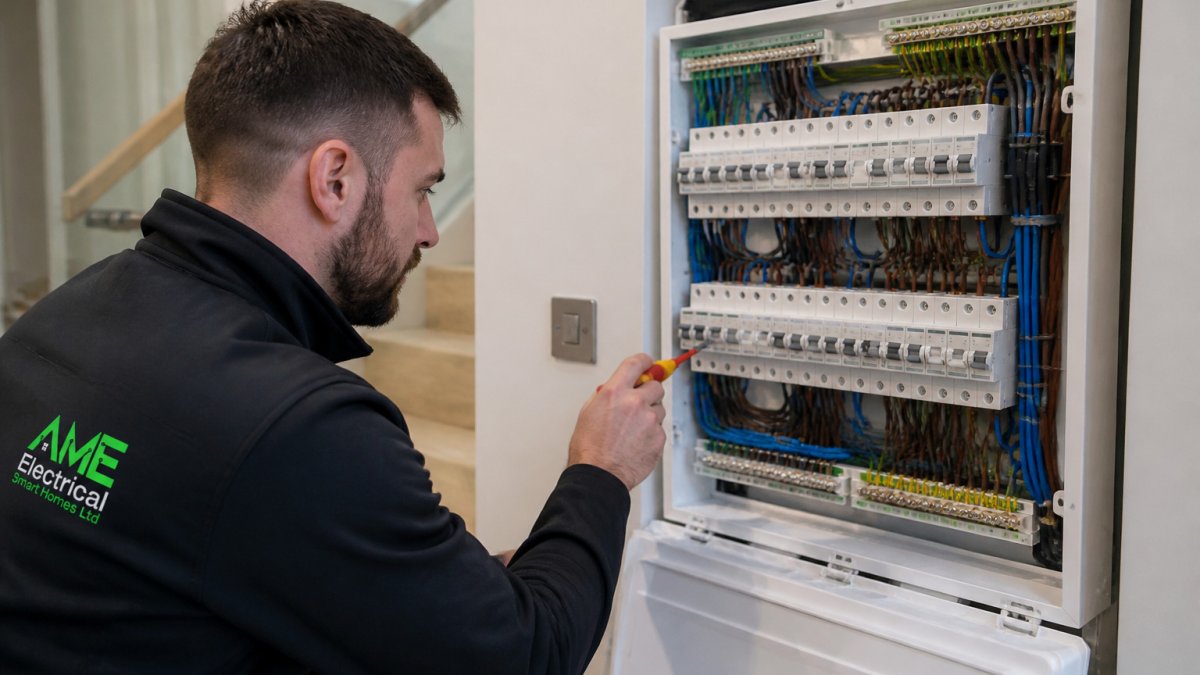
For hospitality and commercial premises, the payoff is continuity. A venue that can add lighting zones or refit a kitchen without closing for a week protects revenue. For homeowners, the benefit is comfort and fewer surprises: a property wired with growth in mind avoids the patchwork of add-on devices that often stops working together.
A common mistake is assuming that adding capacity later is always cheap. Retrofitting containment and cable through finished walls is often more costly than planning for it at the start.
Upgrading Legacy Electrical Systems for Smart Technology
Older properties can usually be upgraded, but the work starts with an honest assessment of the existing installation. The consumer unit, circuit loading, earthing and the condition of the cabling all determine what is realistic. Replacing a single switch with a smart version is rarely the same as integrating a whole building into a managed system.
Where a legacy system cannot support new control without significant work, a phased approach often makes more sense: fix the foundations first, then add lighting or climate control room by room. The questions to ask before committing to that route are covered in our guide to upgrading to KNX.
Building Future-Proof Electrical Infrastructure
Future-proofing does not mean predicting every device you will ever buy. It means keeping options open. That includes spare ways in distribution boards, data and control cabling run to key points, and enclosures sized for expansion.
Standards and regulations set the minimum, and sensible design goes beyond it. Anything involving new circuits, consumer units or changes to a fixed installation in the UK should be carried out by a competent person and certified to the appropriate standard.
How Modular Electrical Infrastructure Supports Growth
Modular design breaks a system into self-contained blocks, such as lighting zones, control panels and power distribution units, that can be added or replaced independently. Each module connects to a common backbone, so expanding one area does not require reworking the whole installation.
This matters most for businesses that expect to grow or change use. A boutique hotel might add a new wing, a restaurant might reconfigure its dining room, or an office might split into several tenancies. With modular infrastructure, each change is a contained project rather than a full-building intervention. Modular design is often favoured in bus-based systems because it keeps the core network stable while devices are added over time.
Electrical System Maintenance That Protects Your Investment
A scalable system is only as good as its upkeep. Regular inspection and testing catch loose connections, overheating circuits and failing devices before they cause outages.
Software and firmware need attention too. Smart controllers receive updates, and devices that are no longer supported can become a security weakness. Keeping a record of what is installed, how it is configured and when it was last checked makes future upgrades faster and safer.
Scheduling periodic testing can turn an emergency repair into a planned visit. Our commercial electrical infrastructure upgrades guide covers compliance and smart technology for business premises.
Booking a Scalability Review for Your Property
If you are considering an upgrade, the first step is a review of what you have and what you expect to need. We assess the existing installation, identify capacity and routing constraints, and set out a phased plan with realistic options. Our recent work includes a commercial KNX lighting control upgrade at Rosie’s Bar, Donegal, which shows how a managed system can be extended on working premises.
Scalable electrical infrastructure pays off when it is planned around how a property will actually be used. If you would like a clear view of what that looks like for your building, get a quote from AME Electrical and we will talk through the options with you.
Frequently Asked Questions
What is scalable electrical infrastructure?
Scalable electrical infrastructure is a wiring and distribution setup designed so capacity, circuits and control points can be added or changed without replacing the whole system. In practice this means oversized containment, spare ways in distribution boards, and standardised modules for lighting, power and automation. Installers plan for future loads at the design stage, so a property can take on heat pumps, EV chargers or additional smart devices later with limited disruption. The approach suits new builds and refurbishments alike, and it is worth discussing with a qualified electrical consultant before work starts.
How does scalable electrical infrastructure support future expansion?
It leaves room for growth. Spare capacity in the consumer unit, accessible cable routes and modular controllers mean new circuits or rooms can be connected without opening every wall. A property can add a home office, a larger kitchen or additional security cameras in stages. Because the backbone was designed with expansion in mind, each addition is simpler, faster and usually less expensive than an ad hoc retrofit. Any work must still meet the requirements of BS 7671, the UK wiring regulations, and be certified accordingly.
What should be considered when upgrading a legacy electrical system for smart technology?
Start with a survey of the existing circuits, earthing, consumer unit condition and available capacity. Older installations may lack the neutral wires or cable ratings that some smart switches need, so compatibility matters. Check whether the system can support KNX or other building protocols, and plan which rooms will be upgraded first. Ask whether the work can be phased. Pricing depends on the scope and the property, so request a tailored quote from AME Electrical.
How often should electrical infrastructure be reviewed?
Many property owners arrange a periodic inspection and test, commonly recommended at intervals set by the electrician based on the property type and condition. Commercial premises and rental properties often have stricter requirements. Between formal inspections, watch for warning signs such as tripping breakers, warm sockets, flickering lights or devices that run slower than expected. Keeping a record of changes and certificates makes future upgrades easier to plan and helps demonstrate compliance.
